Molecular anatomy is the subspecialty of microscopic anatomy concerned with the identification and description of molecular structures of cells, tissues, and organs in an organism.[1][2]
References
Anatomy and morphology |
|---|
| Fields |
- Gross anatomy
- Superficial anatomy
- Neuroanatomy
- Comparative anatomy
- Microscopic anatomy
- Morphometrics
| |
|---|
| Bacteria and fungi | |
|---|
| Protists | |
|---|
| Plants |
- Plant anatomy
- Plant habit
- Plant life-form
- Plant morphology
- Soil morphology
|
|---|
| Invertebrates |
- Decapod anatomy
- Gastropod anatomy
- Insect morphology
- Spider anatomy
- Arthropod cuticle
|
|---|
| Mammals |
- Human anatomy
- Neanderthal anatomy
- Cat anatomy
- Dog anatomy
- Horse anatomy
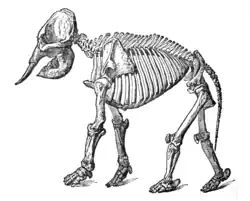
- Elephant anatomy
- Giraffe anatomy
|
|---|
| Other vertebrates |
- Amphibian anatomy
- Bird anatomy
- Fish anatomy
- Shark anatomy
|
|---|
| Glossaries |
- Anatomical terminology
- Anatomical terms of location
- Glossary of dinosaur anatomy
- Glossary of plant morphology
|
|---|
| Related topics |
- Allometry
- Anatomical variation
- Anatomical plane
- Body plan
- Form classification
- Gracility
- Hertwig rule
- History of anatomy
- Physiognomy
- Standard anatomical position
- Transcendental anatomy
|
|---|
 Category Category Portal Portal- Index of anatomy articles
|